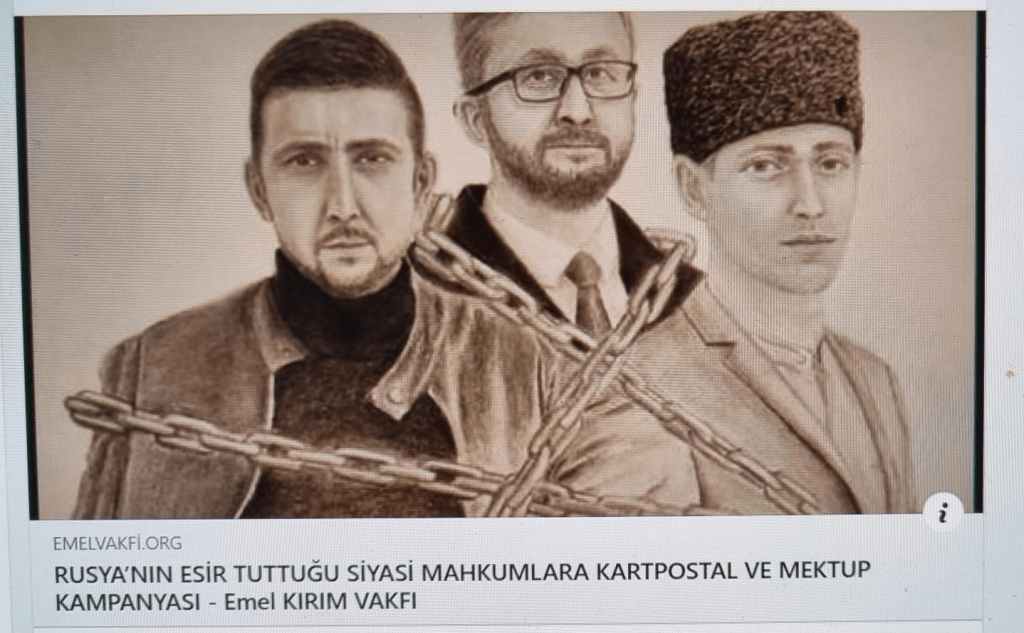
On December 10, 2023, in observance of World Human Rights Day, the Emel Kırım Foundation initiated a postcard and letter campaign for political prisoners detained by Russia, following the suggestion of our Foundation President, Zafer Karatay. Through this campaign, we aspired our brothers and sisters who were detained in Crimea, which was invaded in February 2014, after their homes were raided on fabricated charges, then arrested, and then sent to Russian jails far from their homes, to know that we are in solidarity with them. As of February 2014, ten years after the Russian occupation of Crimea, the combined count of political detainees held in Russian and Crimean prisons stands at 204. Among them, 123 are Crimean Tatars. Over thirty of these political detainees are fifty-five years of age or older. The occupying management puts pressure on people who oppose the invasion and convey the existent state of affairs on the occupied peninsula to the world, and also arrests journalists. Journalists make up 16 of the political prisoners. At this time, the website of the Emel Kırım Vakfı (the Emel Crimea Foundation) lists the addresses of 110 individuals who are politically detained. To convey to our brothers and sisters, “We are with you,” one may do so through the mailing of a letter or card. Letters can be written in Turkish, Crimean Tatar Turkish, Russian, and English. (1)
We want those who pen postcards to our political prisoner brothers and sisters to send us the postcards they penned and the photos they took while writing the postcards. These photos are uploaded to the Emel Kırım Foundation page and organised into Facebook albums. We hope the political prisoners receive the cards and messages we sent them. Even if it cannot reach, this campaign is actively monitored in Crimea, particularly by the relatives of our political prisoners, so they can perceive it and pass it along to their spouses and children. We intended to convey to them through this campaign that “we are with you; you were imprisoned on false charges; you did not obey Russia, which occupied Crimea, so we appreciate you; we wish you to reunite with your home, Crimea, and your families, and be strong.” Supporting our politically imprisoned brothers and sisters’ spouses, mothers, fathers, and kids was another one of our goals.
Our campaign has been running for one and a half months. We have, I believe, succeeded in expressing our solidarity with the families of our political prisoners. We get really emotional messages, which make us feel more accountable and driven to work.
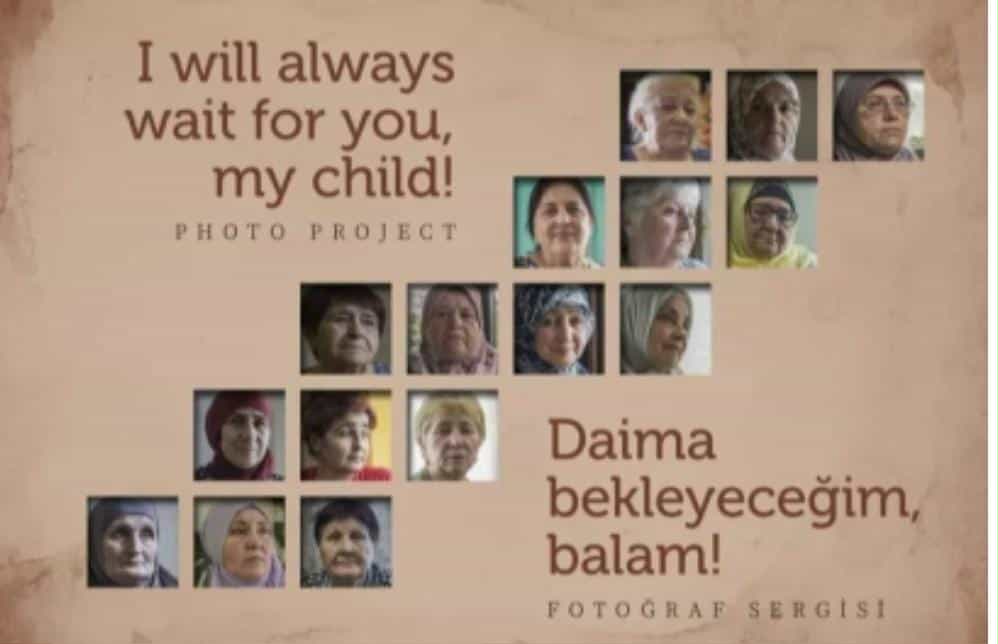
I’d like to post a message from a mother whose 1986-born son was taken away during a raid of her home in 2018. (His son received a sentence that sent him to a far-off Russian jail in Crimea for 14 years.) “Thank a lot. I was very happy when I saw these things you sent. God bless each and every one of you for the work you fulfil. I said it to my son as well. He was also very happy. He thanked you very much for your support and help. This is very important, very big work. It is very heartening for those in jail. They write letters to people in prison. Our young children’s eyes light up when they get letters from Crimea and other countries. The men who work in prisons see men. There is a tonne of letters being sent to these political prisoners. If they were bad, no one would support them. Principally when there is support like this from foreign countries, they comprehend it better. Thank you very much for that. Thank you all. I tell you, I am very happy. Many greetings…”
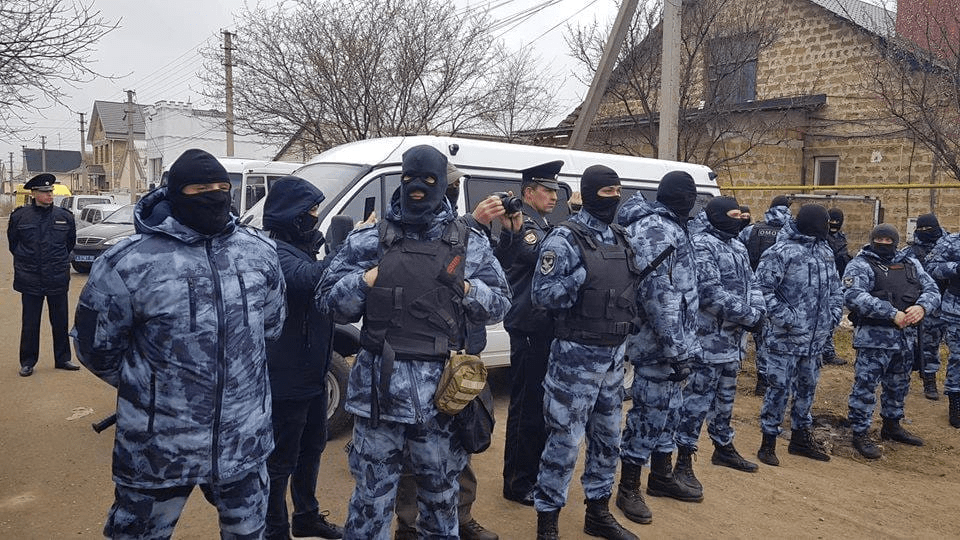
Another human rights violation is that people are accused of false accusations and sent to Russian prisons far from Crimea. For example, Nariman Celal, Deputy Chairman of the Crimean Tatar National Assembly, was taken away as a result of a raid on his house at midnight on September 4, 2021, and in September 2022, the so-called court of the invaders sentenced him to 17 years (the people who went to ask where he was taken were detained as well). His wife, Levize Celal, who had not heard from Nariman Celal for two months, stated that after two months of uncertainty, she got a letter from her husband and that her husband, who was illegally taken from Crimea, was transferred to Minusiysk prison in Russia’s Krasnodar region in 2023. She added that during the 2-month journey, he fell ill, but now he feels better. Let’s imagine that we did not hear from our spouse or child for only an hour. News can reach their spouses and family members not after a day, not after ten days, not after a month, but after two months. What did they do during the time they did not get this news? Did they torture him? Did something happen to him on the road? Is he alive? Thoughts.
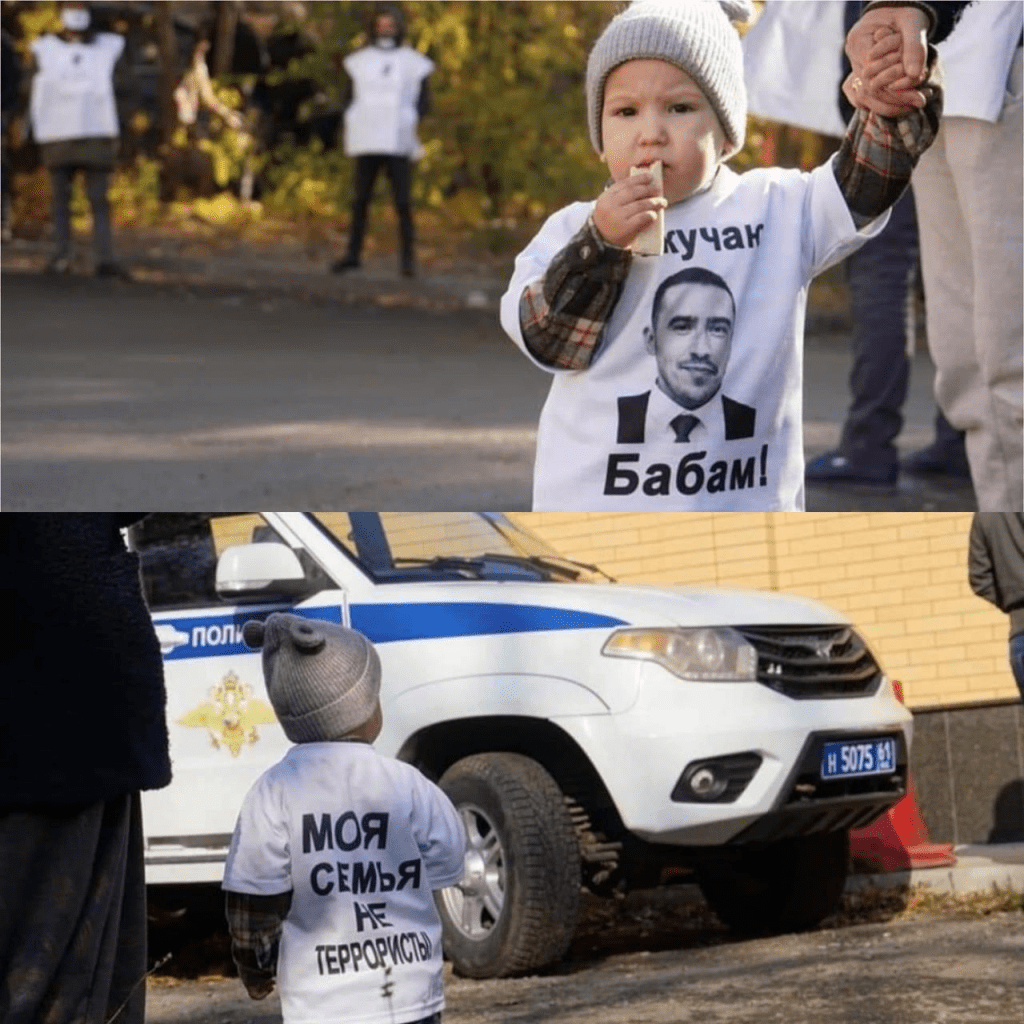
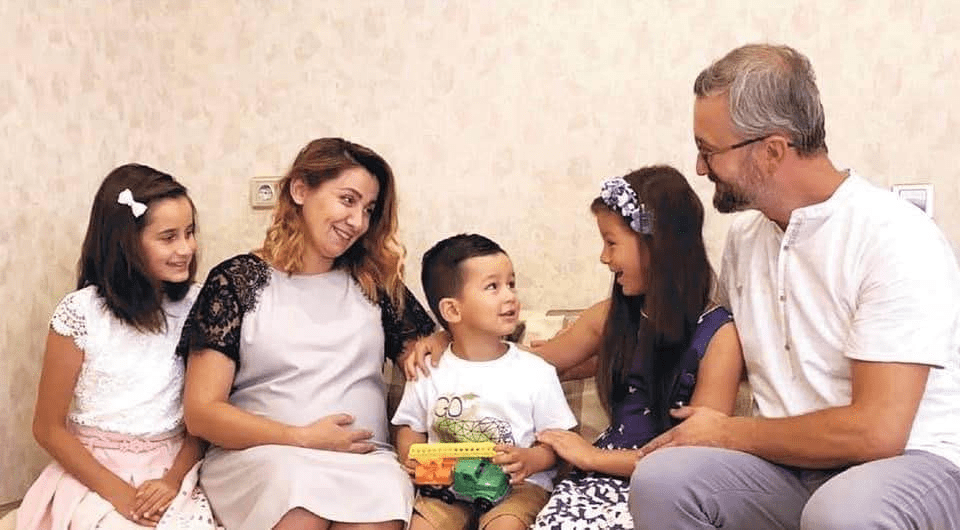
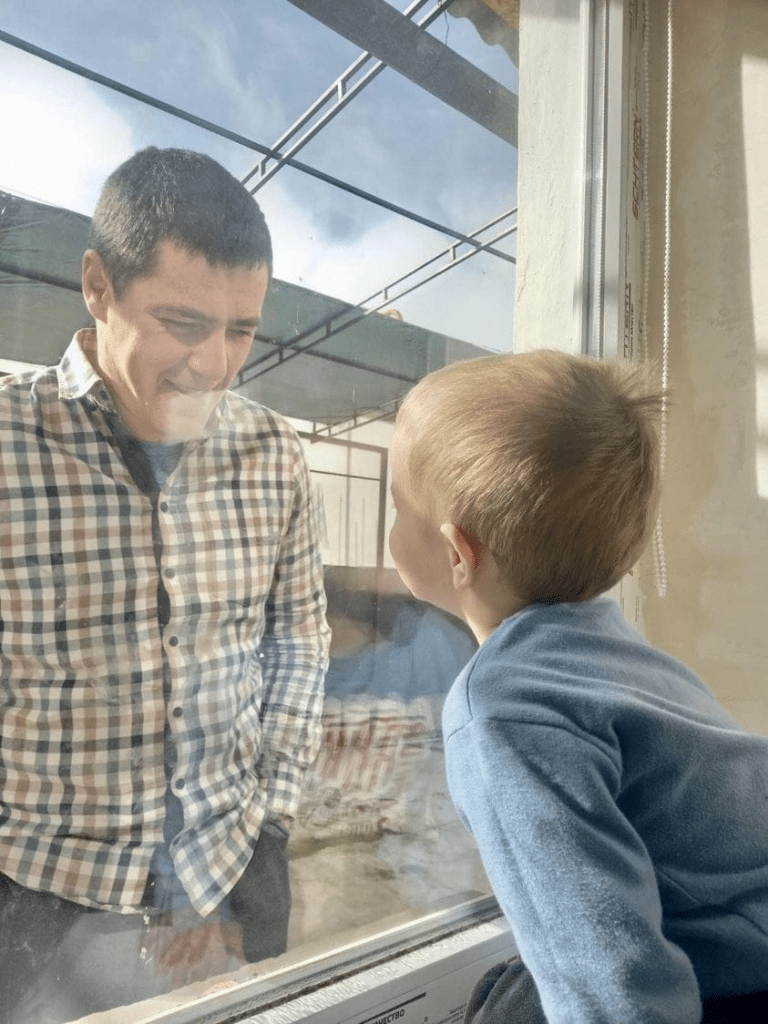
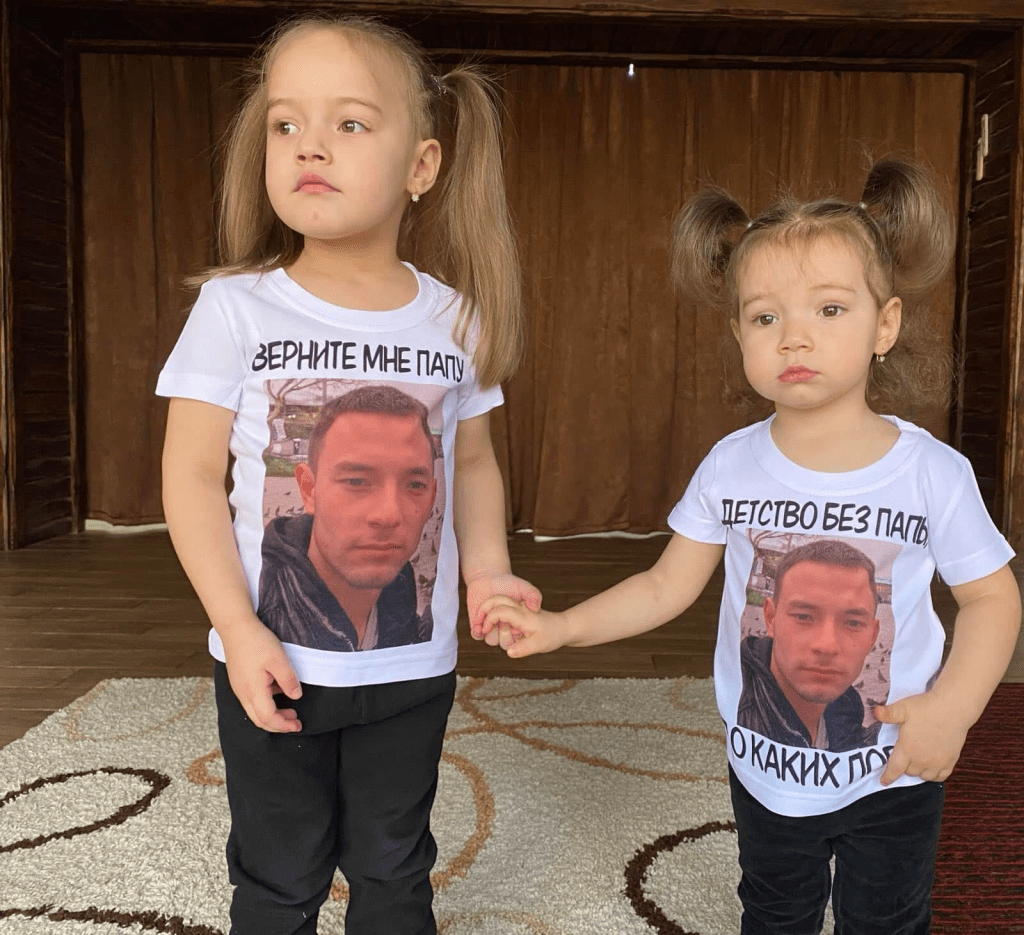
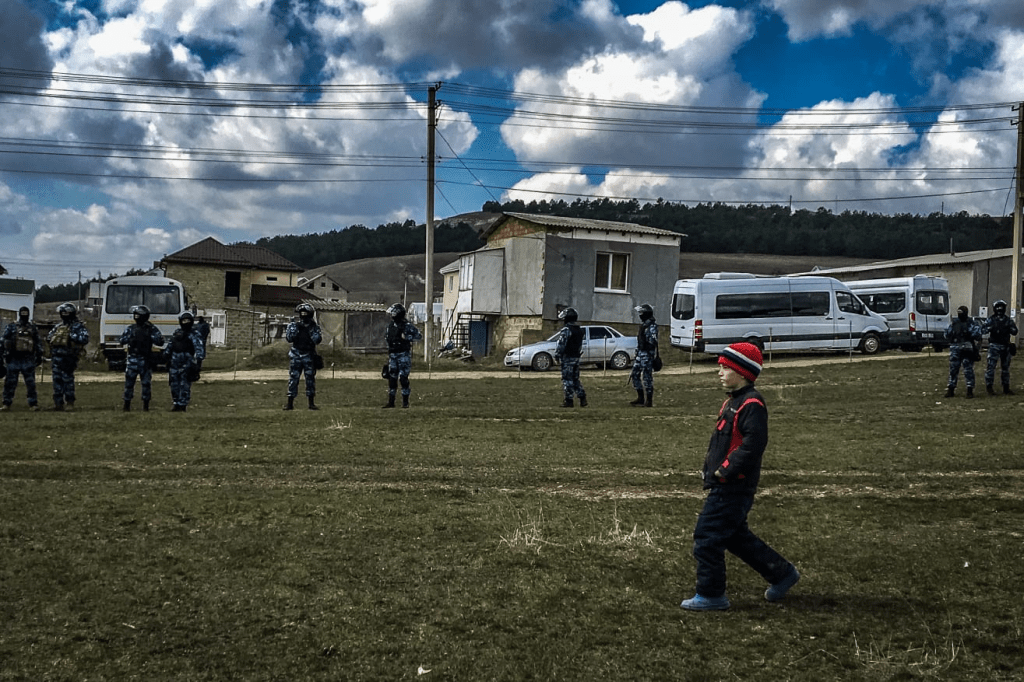
After the invasion of Crimea by Russia, the most impacted by all these human rights violations by the invaders are, naturally, our children. One night, while sleeping in his/her warm bed, he/she woke up with loud noises, his/her house was cluttered by camouflaged and carrying weapons officers, and he/she concerned about “will they take my father away?”, afterwards his/her father was taken away too, and the inquiry “when will I see my father?”… Anybody would find this extremely difficult, particularly a child. These children’s fathers are absent on a regular basis, as well as on special occasions like their birthdays, first days of school, report cards, fevers, and illnesses. Because their fathers are “political prisoners”. Because Russia, which invaded Crimea, jailed their fathers on “fictitious charges” and sentenced them to many years. These children really include those who were born after their fathers were wrongfully charged and arrested, as well as those who were born before they had ever laid eyes on their fathers and those who meet them for the first time when they become older. For instance, when Mejid Abdurahmanov’s daughter was 2.5 years old, she saw her father for the first time in a Rostov-on-Don courtroom. To see her father, the young girl had to travel 700 kilometres.
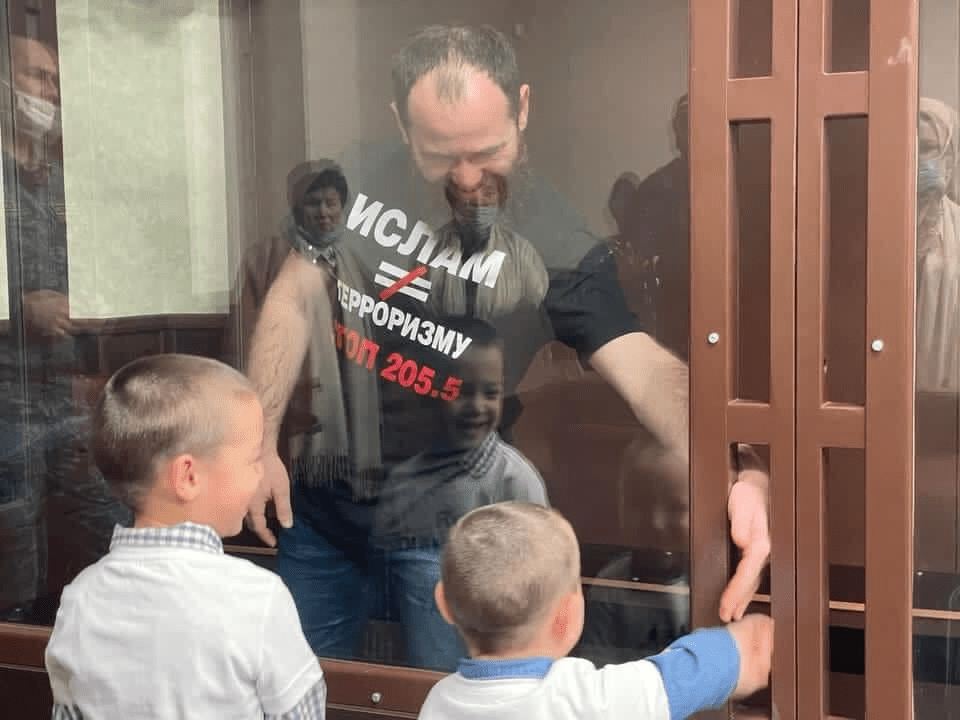
As of January 26, 2024, our political prisoner brothers and sisters who were detained in Russia-occupied Crimea had 334 children living in their houses, 228 of whom were minors. The children are experiencing stress due to the raids on their homes at midnight by armed, masked men and the taking away of their fathers, and 50 of these children require psychosomatic treatment. Stuttering, behavioural disorders, enuresis, and heart disease are the most common diagnoses given to our children. There is cancer and other diseases, and three of our children are disabled.
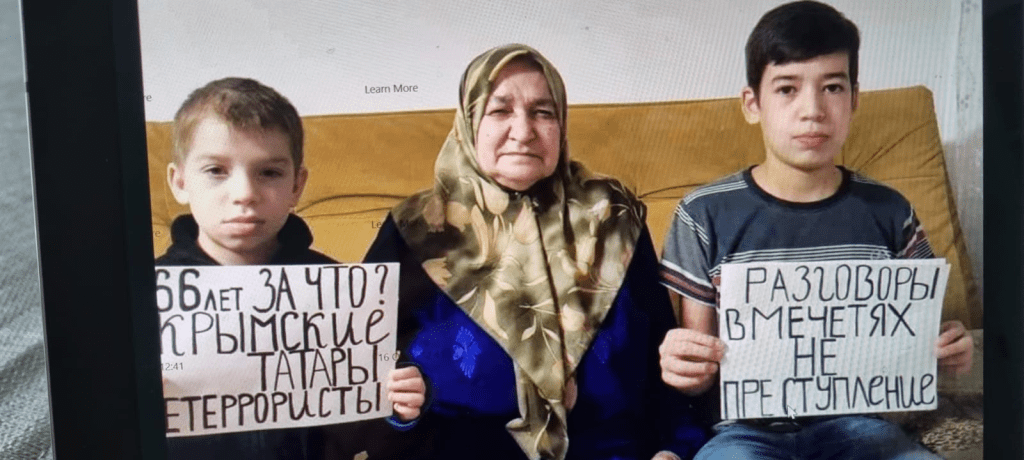
Mumine Saliyeva, the Coordinator of the Kırım Çocukluğu (“Crimean Childhood”) Project, wife of Crimean Tatar political prisoner Seyran Saliyev, and Crimean Tatar activists started the “Crimean Childhood” Project to offer material and moral support to the children of our political prisoners who were victims of Russian oppression. Within the context of this project, numerous activities are organized for our children, and they try to distract the children from their daily problems. This campaign, which we, as the Emel Kırım Foundation, started on December 10, which is accepted as World Human Rights Day by the United Nations, will continue on national and religious days. We stand with our politically prisoned brothers and sisters (#Yanındayız).
1-https://emelvakfi.org/rusyanin-esir-tuttugu-siyasi-mahkumlara-mektup-kampanyasi-
Photos Credit:
With the permission of Ms. Lütfiye from “Крымская солидарность” (Kırım Dayanışması) and “Kırım Çocukluğu”.
Nurten Camcı Bay
I am the Deputy Chairman of the Emel Kırım Foundation. My family’s origins are in Crimea-Kerch, and I was born in Eskişehir, Çifteler. I graduated from Yunus Emre Teacher High School. After graduating from Ankara University, Faculty of Political Sciences, I completed my master’s degree at Gazi University and became a public administration specialist. I worked at a bank while I was in the country due to my wife’s job as a district governor. I retired from the Directorate General of the Turkish Grain Board.


 Weltschau
Leave a comment