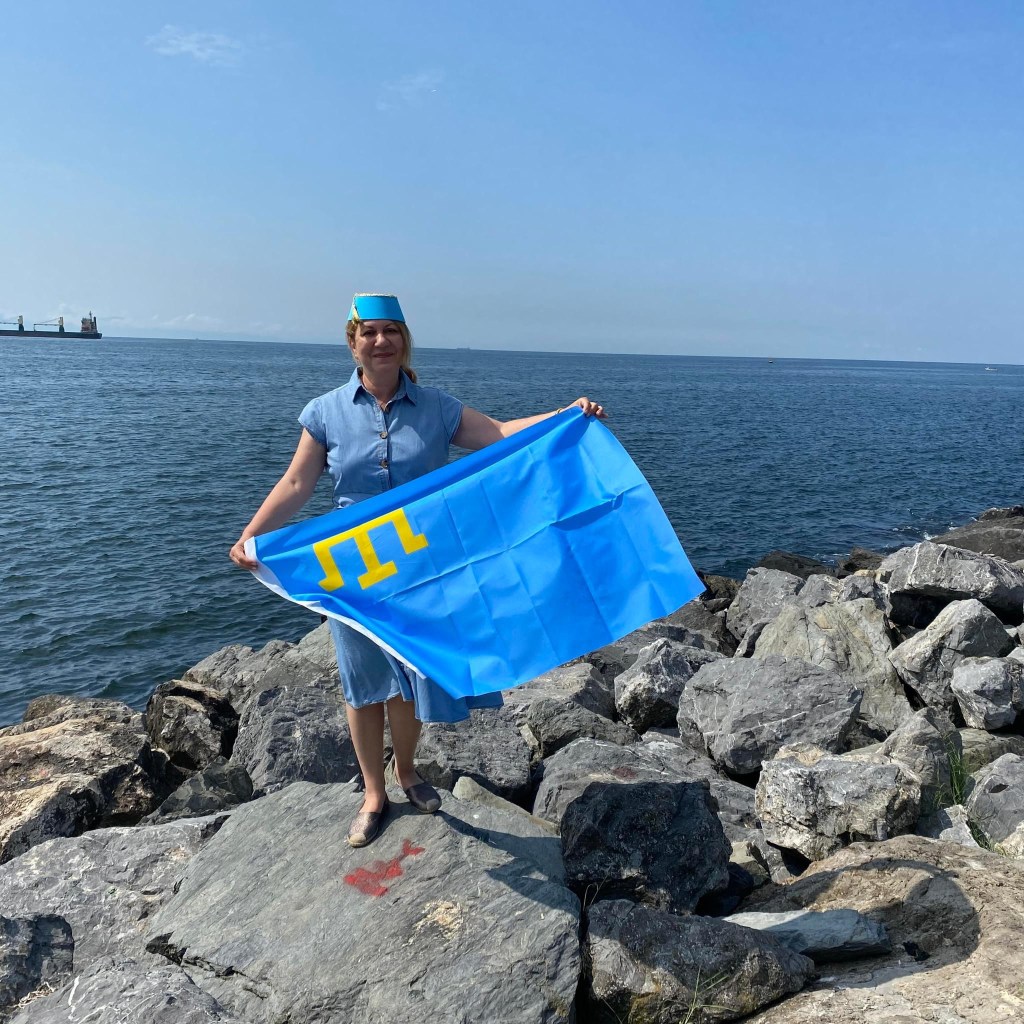
Who knew that on November 24, 2013, when I flew to Crimea to celebrate my late mother’s 84th birthday, this would be my last visit to my beautiful homeland and home. We were watching with concern on TV news the events and developments that started in Independence Square in Kyiv on November 21, 2013. The few days I spent at home in Crimea remained in my mind like a dream. What happened next turned into a nightmare—a nightmare that seemed to never end and is still ongoing. Events were developing at jet speed. With the occupation decision taken in the Kremlin on February 20, 2014, the button was pressed to start the “operation” on February 22–23. Alarming developments were taking place first in Sevastopol and then in Aqmescit (Simferopol).
Late in the evening of February 24, a group of deputies from the Russian State Duma, chaired by Leonid Slutskiy, chairman of the Committee on Eurasian Integration and Relations with Citizens, came to Aqmescit, and a secret meeting was held. Russian MPs stated that they plan to hold a series of meetings with representatives of the Crimean authorities about the political situation on the peninsula. Slutskiy told his interlocutors in Crimea that the State Duma was ready to consider annexing Crimea to Russia and announced that it had started distributing Russian passports by applying a simplified procedure.
Crimean Parliament Speaker V. Konstantinov announced that they would discuss the referendum at the General Assembly on February 26. On February 26, 2014, more than 7 thousand activists, mostly Crimean Tatars, attended the rally organized by the Mejlis of the Crimean Tatar People (MCTP) to protest this decision and to support the territorial integrity of Ukraine. At the same time, around 5 thousand thug-like supporters of the pro-Russian Russian Unity Party and Russian soldiers in civilian clothes brought by truck from the military base in Sevastopol also confronted the Crimean Tatars in front of the Parliament. MCTP president Refat Chubarov had a great share in preventing the jostling between two large masses from turning into a disaster.
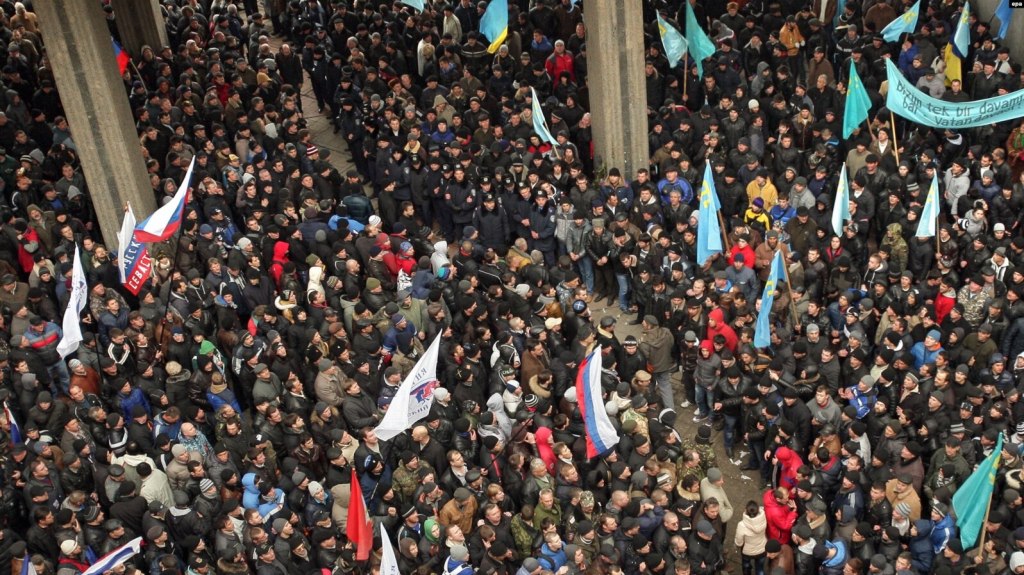
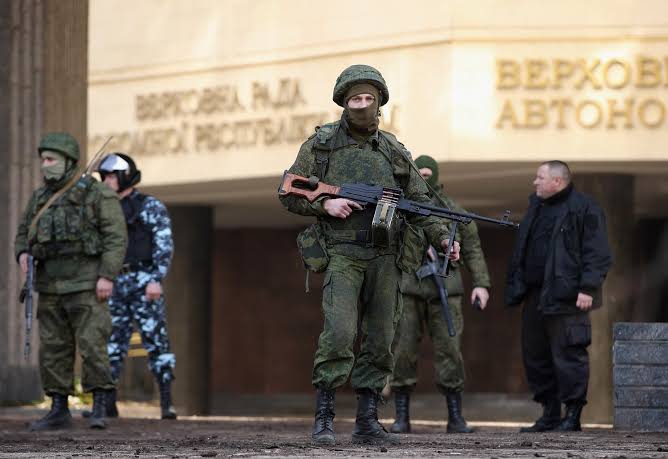
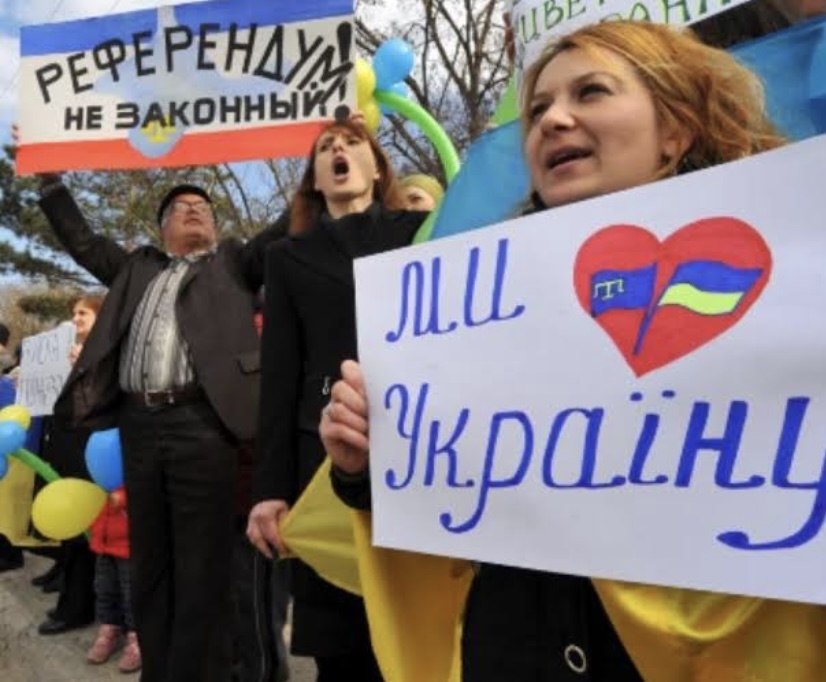
The Parliament of the Autonomous Republic of Crimea, which convened on March 6 under the shadow of pro-Russian armed, flag and ranks hidden “little green men”, announced that it had decided to hold a referendum to annex Crimea to Russia. Events were developing so rapidly that we were all following them with great concern, moment by moment. I can never forget what my nephews called from Crimea and cried about: that there were many tanks on the streets, people in military uniforms, and many uncanny bandit-like people who introduced themselves as “samooborona” (self-defense) and were brought from outside Crimea. Crimean Tatars, ethnic Ukrainians, and every conscientious citizen who did not want to accept this situation fearlessly participated in the protests. Women, elderly people, and children protested the intervention by risking their lives by creating live chains on the highways where Russian tanks and armored vehicles passed, with Crimean Tatar and Ukrainian flags, banners, and yellow-blue balloons in their hands. Alas! Unfortunately, February 2014 will go down in history as the beginning of a dark period for the Crimean Tatars. Kidnappings, torture, raids, Crimean Tatar schools being closed one after the other, and many other disgusting things.
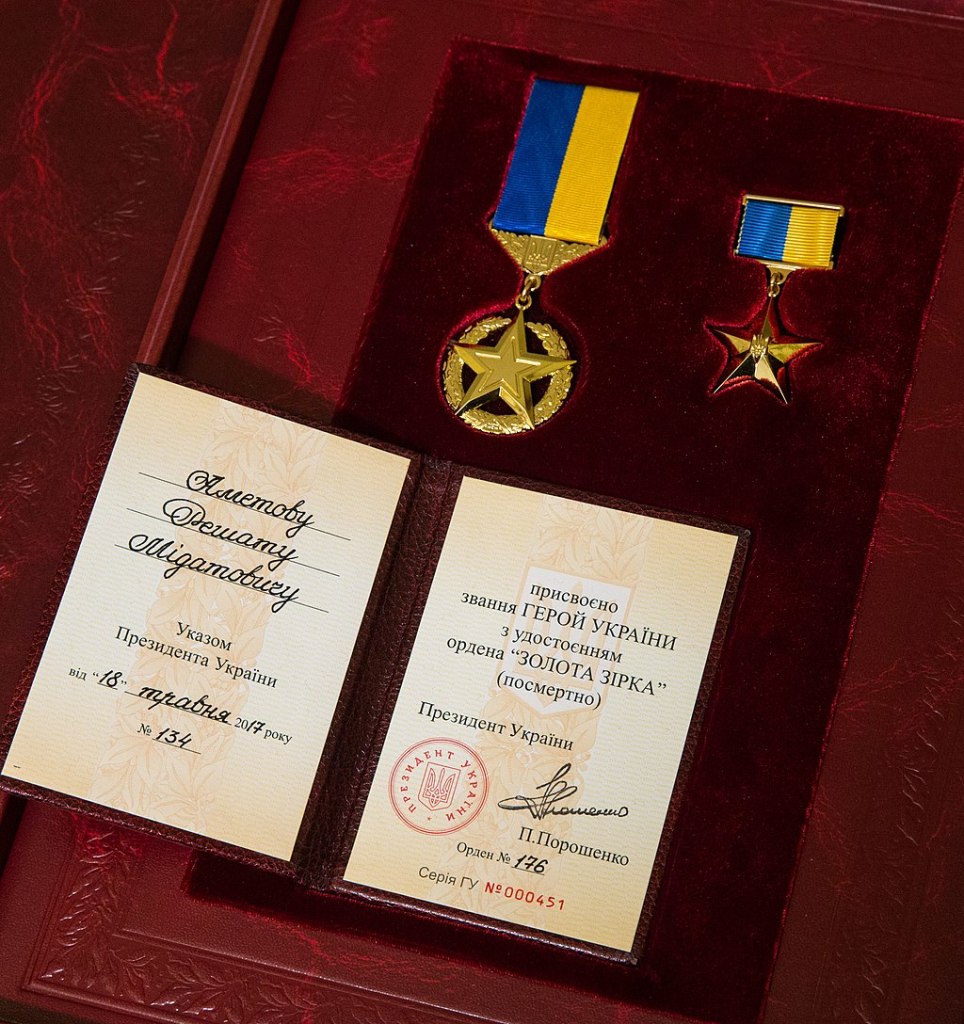
On March 3, 2014, Reshat Ametov, who made a single-person peaceful protest in front of the Crimean Council of Ministers on Lenin Square in the city of Aqmescit against the occupation of Crimea, was kidnapped by three unidentified people wearing military uniforms belonging to the “Crimean self-defense” detachments. That event was monitorized by many famous foreign journalists. The lifeless body of 39-year-old Reshat Ametov, the father of three young children, who was not heard from for 12 days, was found chained and wrapped with duct tape on March 15, 2014, in Ortalan (Zemlyanichne) village of Karasubazar county, 60 km away from Aqmescit. Reshat Ametov, who was tortured alive, had his eyes gouged out, and was brutally murdered, went down in history as the first folk hero killed by the Russians after 2013. On May 18, 2017, the Hero of Ukraine Gold Star Order was presented to his family by the then President of Ukraine, Petro Poroshenko. Despite all these years, the murder remains unsolved.
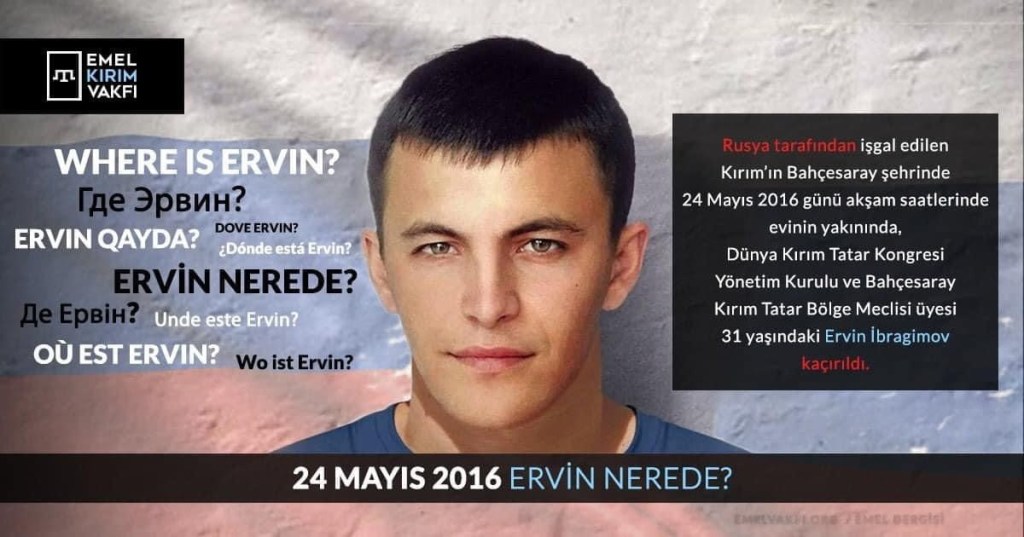
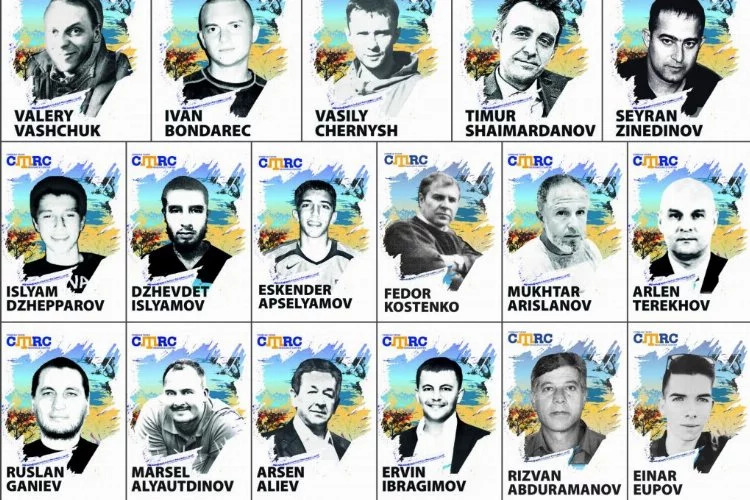
On May 24, 2016, in Russian-occupied Crimea, 31-year-old Ervin Ibragimov, a member of the Executive Board of the World Crimean Tatar Congress and the Bakhchisaray Crimean Tatar Regional Council, was kidnapped by the occupation forces from in front of his house, under camera recording. There is no information about what he lived or died. There has been no news from him since the day he was kidnapped. The fate of 21 people kidnapped by Russia in occupied Crimea since 2014 is still unknown.
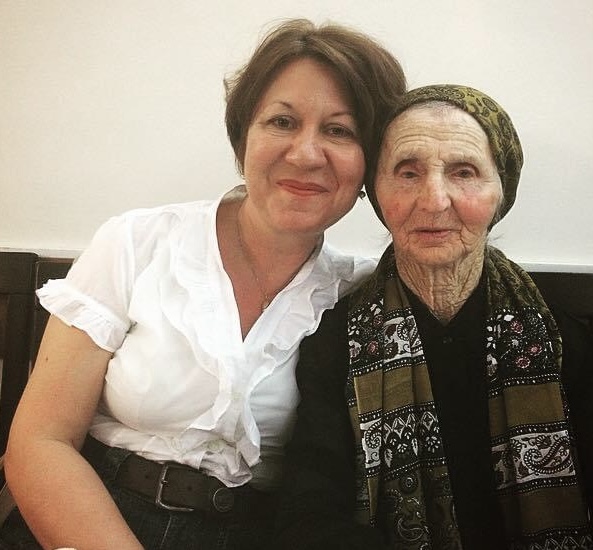
During the raid organized by the FSB (the current name of the former KGB) on November 23, 2017, 83-year-old Crimean Tatar National Movement veteran Veciye Kashka had a heart attack while the handcuffs were being put on, and Veciye Apte (older sister), who was taken to the ambulance, died on the road before reaching the hospital. They didn’t even show mercy to our older sister, Veciye, who had a serious heart problem and advanced cancer. Kidnappings, raids, searches, and unjust arrests—there were hundreds of children who became orphans and grew up without a father. That’s why I say the war started for us in February 2014.
Ukrainian companies, pharmacies, and schools are starting to close one after another, and products on the market are disappearing from the shelves. The people are in shock; pro-Ukrainian youth and those who are disturbed by the plight are slowly starting to leave Crimea. The Ukrainian language and curriculum were removed from the school curriculum, schools and kindergartens providing education in Crimean Tatar were closed, the Russian language was compulsory instead, and Russian propaganda was given wide coverage in all media. Billboards in the city were filled with Russian flags, Putin portraits, and images with USSR motifs. It’s like they’re scenes from a movie set, not real. Megaphones placed at bus stops play 2-3 old songs over and over again, 24 hours a day (songs written in World War II and frequently featured in Soviet propaganda like “Zemlyanka”, etc.), weird people in military uniforms on the streets, Cossacks, and bandit-type people calling themselves “samooborona”. It’s like a nightmare, an image too absurd to be real. The pro-Russian crowd is happy, goes along with this madness, and trusts TV channels that broadcast Russian propaganda 24 hours a day. Big promises are made on TV: Crimea was going to be Russia’s showcase, even surpassing Switzerland; big money would flow in; investors would flock to Crimea; salaries would be at the same level as those paid in Moscow, or even higher… I remember that this doctored news made the retirees who missed the USSR very happy.
Stages were set up in the squares of Crimea, famous artists from Moscow began to give concerts, and a false appearance of enthusiasm filled the place. In the evening, the situation became direr; young people smuggling alcohol, gangs with all kinds of weapons, and sleazy and dangerous aliens. Those who are stuck in this terrible situation are people who are loyal to Ukraine. The situation has become very difficult for them. Russian passports were being distributed, or rather, imposed. Those who did not want to get it were punished. He/she was on the verge of being fired from his job. If those who had children did not have a Russian passport, they could not enroll their children in kindergarten or school. If you were retired, you couldn’t get your salary, you couldn’t benefit from health care, etc.
Young people born after 1991 internalized Ukrainianness; they respected the Ukrainian flag, and they knew the Ukrainian National Anthem by heart. Even though they used the Russian language in daily life in Russian-majority Crimea, all these young people knew and spoke excellent Ukrainian. Some of these young people had recently left Crimea and moved to Ukraine because they saw their future in Ukraine. Those living in Ukraine know the taste of freedom. During the Ukrainian period, people could gather in the squares without fear and criticize the current administration. A young generation grew up in this free environment. Every Ukrainian citizen knows that atmosphere of freedom that Russians have never known, experienced, or tasted: the famous cries of happiness of the people who crossed the border and set foot in Ukraine after the occupation of Crimea were “Freedom!!!” (Svoboda!!!), those spontaneous tears of happiness when they see the Ukrainian flag, the feeling of hugging and kissing the first Ukrainian border guards they encounter.
In the first years after the occupation, people were able to cross the Crimea-Ukraine border—some more comfortably, some after FSB interrogation. In fact, very popular transfer schemes were organised—medicine tours, for example. In Crimea, instead of quality Ukrainian-made drugs, Russian-made, fake, and ineffective drugs were sold in pharmacies. The people, who were accustomed to Ukrainian medicines and preferred them, found a solution and were returning from the pharmacies in Novooleksiivka in the Kherson region, which is the closest place to the border, by stocking up medicines. Patients in Crimea preferred hospitals in Ukraine, and young people preferred universities in Ukraine. In the markets in Crimea, quality and good-tasting products were replaced by GMO-containing, low-quality, and very bad-tasting Russian products. Even those who were looking forward to Russia were expressing their dissatisfaction. The wave of migration was growing, as the pressure increased and freedom was restricted, the pro-Ukrainian mass was migrating to the mainland of Ukraine, and in their place, countless Russian soldiers, their families, and unqualified people from remote regions of Russia who did not know what civilization was were settling in Crimea. The locals were not happy about this; fear was slowly starting to spread.
While I was following all these developments from a distance, my family was desperately breathing in this dirty environment, and they were extremely disturbed by the oppression and injustice inflicted on our people. They didn’t know where to hide the Crimean Tatar flag in our house, the Ukrainian flag, the Turkish flag I gave as a gift, and the old copies of the Holy Quran and prayer books. They were very worried about everything. My mother, who had a serious heart condition, did not sleep until the morning. She kept a small knife under her pillow, as if to protect her against those bulky guys, as she knew that raids on Crimean Tatar houses were usually carried out in the morning and by breaking windows. My mother’s and sister’s health were gradually deteriorating; they could not control their anger, they could not accept this environment, and they no longer had the opportunity to meet with us. Istanbul-Aqmescit flights, which lasted only one hour before the occupation, were no longer available. To reach Crimea, it was necessary to fly to any city in Ukraine; usually, Kherson or Zaporizhia airports close to the border were used. The hardest part started then. It was a tense border crossing procedure, and at that point, you had no guarantee of security. If you were lucky and your “record” was clean, you might be allowed to pass. Otherwise, you could be questioned, released by the FSB, or arrested.
At this stage, with the insistence of my sister and mother, our family made a very difficult decision: to move to the mainland of Ukraine! This was a difficult decision for my mother, too. When she was 14 years old, she experienced the 1944 Deportation and dreamed of returning to Crimea, her homeland, for years. Finally, when she thought she was finally reunited with her homeland, leaving her home and migrating to a new land was a difficult decision to embark on an adventure, especially when she was 86 years old. My late mother was very foresighted; she said that wherever my children would be comfortable and safe, I would be there too. Many of our relatives did not approve of this decision; they asked why you were dragging the old woman. There were many who said our homeland is here and our place is here. They even said that if you had to move, you should at least go to a place closest to Crimea, to the border, such as Kherson, and go back and forth frequently. My sister’s answer was clear: if Putin tries to invade the mainland of Ukraine tomorrow, the first place he will attack will be Kherson and the eastern side. I do not trust the Russians at all, so we will move to the farthest point of Ukraine from Crimea; only this way will we feel safe. Thus, it was decided to settle in western Ukraine. Over time, we all saw what a correct decision it was.
In August 2016, my sister and brother-in-law, with great difficulty, first took our mother to the border (I was reunited with my mother and sister, whom I had not seen for three years, in Kherson), then we all finally reached our destination after a long and difficult journey by train. What is missing is the longing for the homeland and relatives, but in return, that sweet feeling of freedom and equality. They started to build their lives from scratch in a beautiful country where no one humiliates anyone and respects their race and religion. There was still a glimmer of hope in them, the feeling that if Crimea was liberated from occupation, we would return home. But unfortunately, in 2020, my 91-year-old mother passed away longing for her homeland and was buried in Western Ukraine, kilometers away from Crimea and my father’s grave. Even though we are saddened by our mother’s death, we say it’s a good thing she didn’t see these days; otherwise, she would have been devastated.
February 24, 2022, is a dark day in the history of Ukraine. As a family, we can never forget that day. At midnight on February 23, 2022, after a week-long visit to relatives, my sister and brother-in-law landed at Kyiv’s Borispol airport on an Uzbekistan Airlines plane. This was the last plane to land and the last flight. There was a fear and smell of war in the air. They hailed a taxi and quickly went to the train station. The woman at the cash desk told them excitedly, “Quickly, get your tickets and run; the train is about to leave; this is the last train; all subsequent flights are cancelled.” It was a great chance that they caught this train. As soon as they got on the train, the train left. The first Russian missiles hit the Borispol airport, where the planes had landed just a short time ago, around 5 in the morning, and the Ukrainian capital, Kyiv, began to be bombed by the Russians. On February 24, 2022, the large-scale Russia-Ukraine war started that day, even though the Russians did not call it war disdainfully. When they reached their home, they learned that the airport there was also the target of Russian missiles.
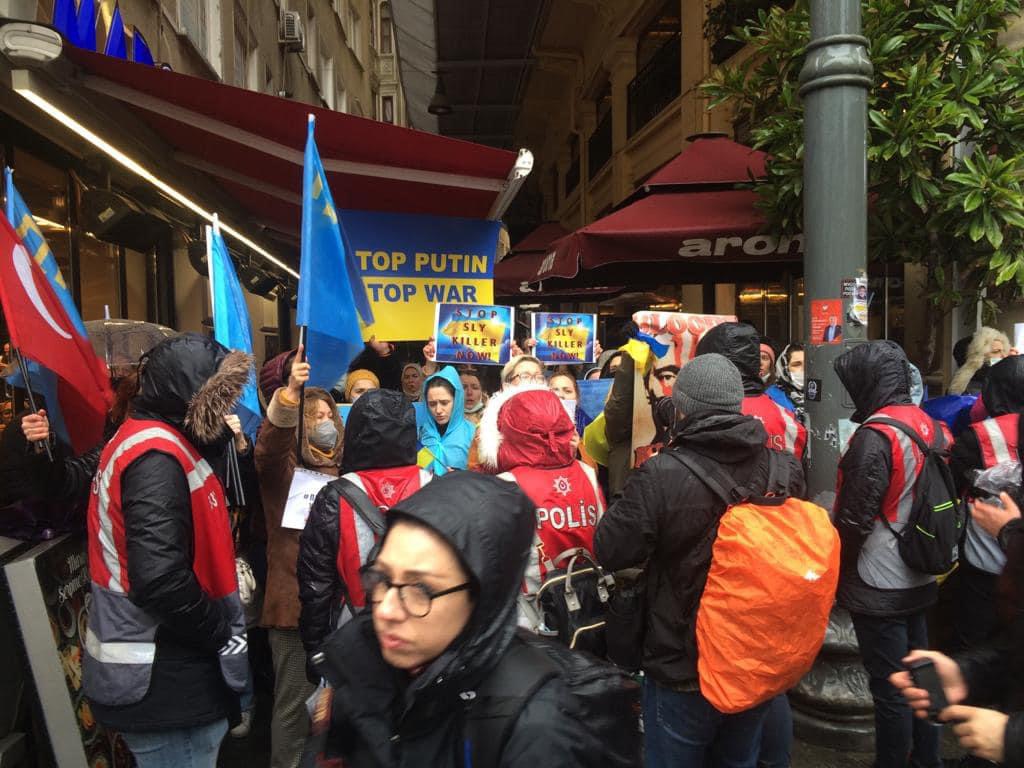
We all remember that day very well; we were devastated and miserable and were following the developments in astonishment. It was cold in Istanbul, raining mixed with snow, and when we heard that a protest rally against the war would be held in Beyoğlu (Pera), we immediately ran there. Our hearts were breaking; we wanted to see people and share that pain. The rally was held on a narrow street right across from the Russian consulate, and many police officers did not allow us to approach the consulate. Most of those gathered were women, with tears in their eyes. Our anger and rebellion were reflected in slogans, our voices were loud and strong, and we stayed there for hours, ignoring the cold.
Naturally, the people in Ukraine were devastated; some rushed to take their children and take them to safer countries, and some queued up to enlist in the defense of the territory. A lot has happened and a lot has changed in these two years, sometimes we despaired, sometimes we rejoiced, sometimes we cried. The war continues with all its ugliness. I have great admiration and infinite trust in the brave Ukrainian people (our Crimean Tatars are an important part of it) and the Armed Forces of Ukraine (ZSU). I wish with all my heart that the war ends as soon as possible with the total victory of Ukraine, that all lands occupied by Russia, including Crimea, are liberated from Russian occupation, that all Ukrainian children abducted by the Russians are reunited with their families, that the captives and political prisoners, whose vast majority are Crimean Tatars, are released, and that I wish our people to live freely in Crimea forever!


 Weltschau
Leave a comment