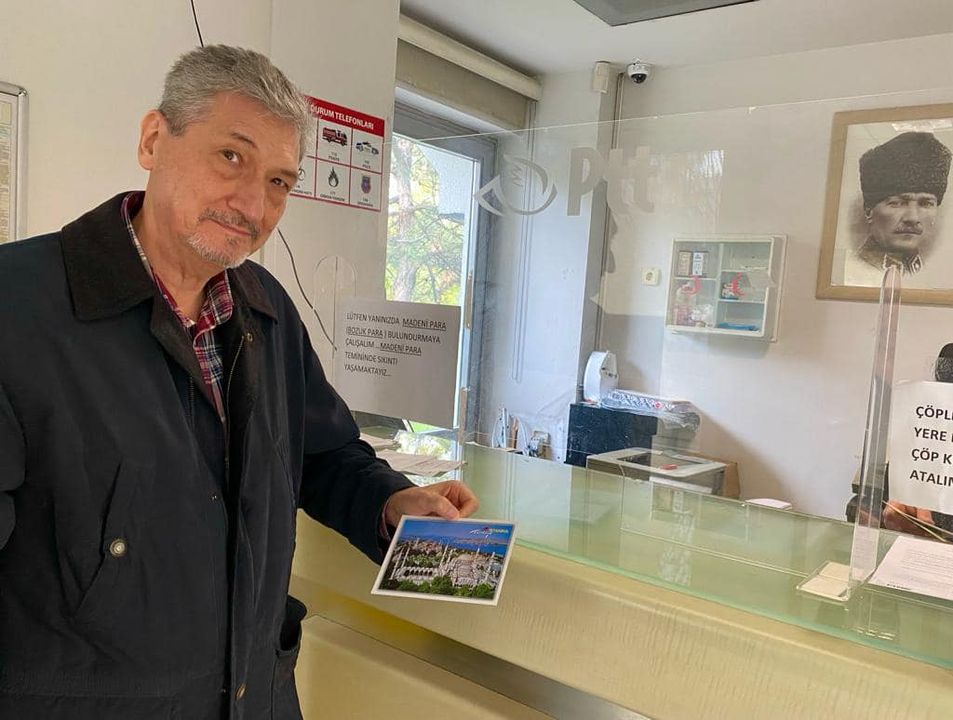
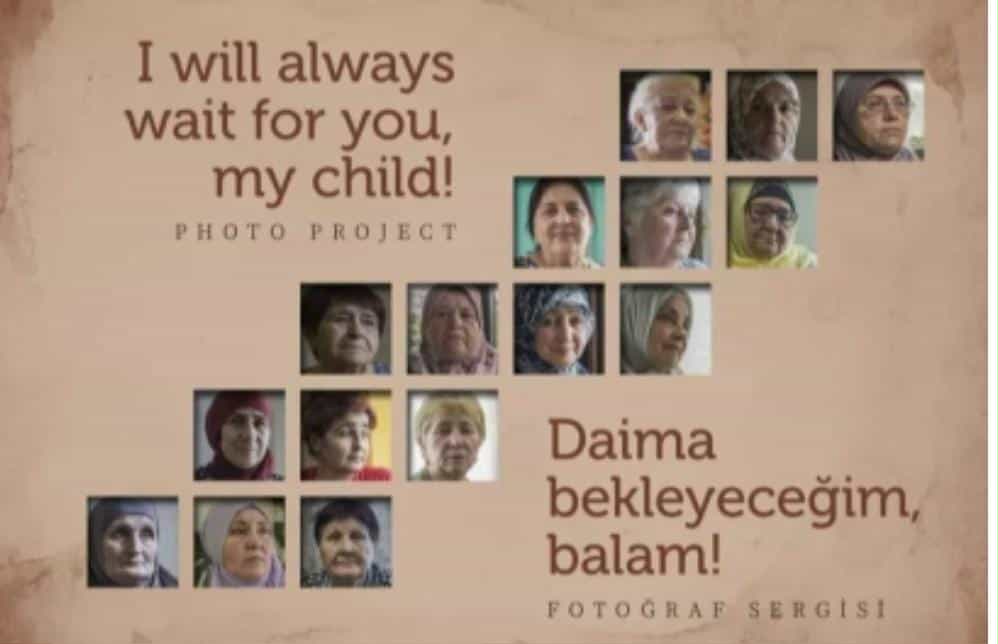
The policy implemented by Putin’s Russia towards the Crimean Tatars in Crimea has two pillars. The first is to eliminate the threat posed by the Crimean Tatar nationalist and secular segments represented by the Crimean Tatar National Assembly. As it is known, thousands of Crimean Tatars gathered in front of the Crimean Upper Rada at the end of February 2014, when the fog of the Russian covert operation in Crimea had not yet cleared, after Yanukovych, the pro-Russian president of Ukraine, without looking back fled from Kyiv, where its home folks were carrying out a “dignity revolution”, showed there power to friends and foes by shielding themself against rumors that Russia will intervene. Secondly, by taking advantage of the developing Islamophobia trend in the world, which Putin has been following shrewdly since the early 2000s, to gain legitimacy by portraying the lifestyles of the introverted, non-political communities with Islamic sensitivities in Crimea as a threat, in parallel with his policy of running freely in non-Russian lands within the country. Indeed, if the threat posed by the Tatars in Crimea was branded as Islamist and therefore terrorist, he could gain the sympathy of the whole world, at least ensure the neutrality of secular and Western public opinion, and do whatever he wanted without encountering any obstacles. As a matter of fact, although the aggression, oppression, and violations against the Mejlis, the Crimean Tatar National Assembly, and the circles under its influence received albeit little, relatively a public attention, the raids on Islamic communities, prison sentences, and rights violations were largely ignored. Although it was a part of the general policy of the oligarchic, militarist Russian administration headed by Putin against the Crimean Tatars in Crimea, these Crimean Tatars with high Islamic sensitivity were almost completely alienated and left to their own devices. Fortunately, they managed to create a qualified civil society organization by not disintegrating in the face of this brutal Russian aggression, and today their resistance is increasingly taking on a national character, and they are finding more support from the diaspora, as they deserve. Under the leadership of the tireless struggle of human rights activists, journalists, and lawyers, they go from court to court through human rights organizations such as Crimean Solidarity, make strong defenses for their members, do not bow down in acting materially and morally with solidarity with the families left behind by the prisoners who were sentenced to heavy prison sentences and sent thousands of kilometers away from their homeland, Crimea, and they leave no stone unturned to the chauvinist, Islamophobic, and cruel Russian occupier. On the other hand, the letter-card sending campaign launched by the Emel Crimea Foundation in Istanbul in order to bring this hidden Russian oppression to the attention of the public, as well as to bring some peace to the hearts of Crimean political prisoners is getting deeper and wider. Supporting it is a human requirement.

Bülent Tanatar
Turkish citizen of Crimean Tatar origin. He studied economics. Retired from the private sector. One of the editors of Emel magazine.


 Weltschau
Leave a comment