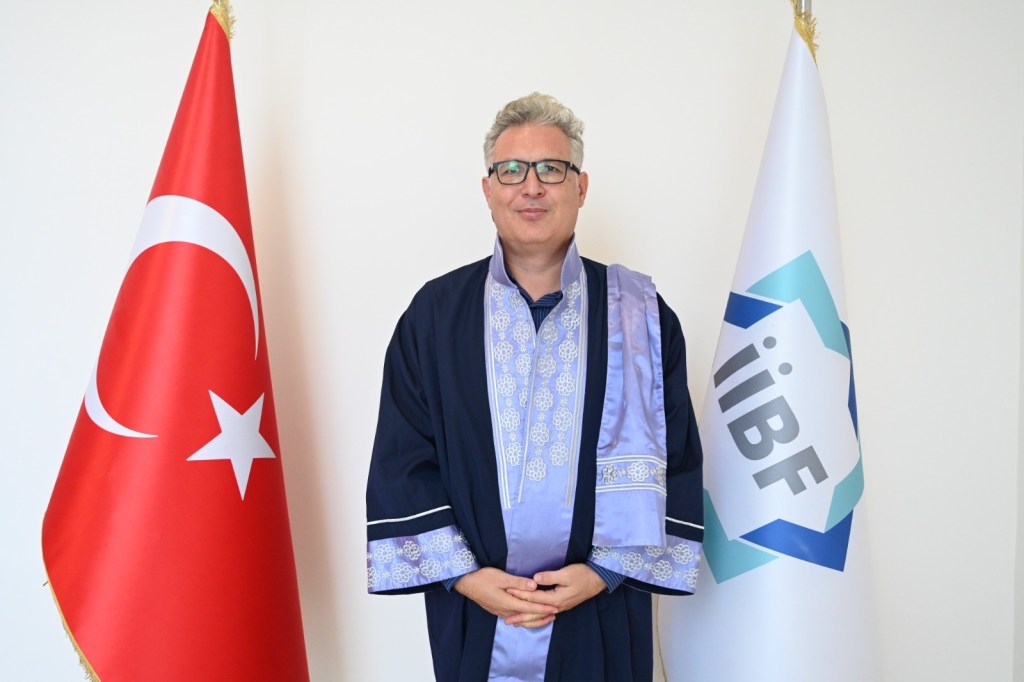
I attended the workshop titled “Witnessing the Ukrainian War” held in Wroclaw, Poland, between August 27 and 30. This workshop was led by the University of Alberta in Canada, where the Ukrainian diaspora is active in every field. Also, many other institutions have been supporting this workshop since 2022, the beginning of the war. The workshops in 2022 and 2023 were held in Krakow, but this year it was hosted by the Zadajna Center in the Polish city of Wroclaw. The main purpose of the workshop is to collect evidence through oral history for the events that took place in the Ukraine-Russia war, especially for the “crimes of genocide,” “crimes against humanity,” “war crimes,” and “crimes of aggression” that are currently the subject of the trial of the International Criminal Court for “Massacres” in the coming years. In fact, Russia’s genocide crimes started with the occupation of Crimea in 2014 and even the First Chechen War in 1996. It is still going on to this day.
Although this workshop is basically open to Ukrainian citizens, I was also accepted to attend it. For me, it is very meaningful that the Ukrainian citizens and diaspora are giving importance to Crimea and the Crimean Tatars. The occupation of Crimea in 2014 led to the Crimean Tatars being accepted within Ukraine. I believe that these two nations, Ukrainians and Crimean Tatars, have come together because of their common chosen traumas and history against the Soviet Union. The Holodomor and the Crimean Tatar Sürgün (Exile) are two important genocides. During this workshop, I have felt accepted and included by all the participants. In fact, at the end of the meeting, one of the participants indicated the Crimean Tatars saying, “Next year in Bakhchisaray.” It clearly shows that Crimea is one of the foundations of the Ukrainian nation’s social identity.
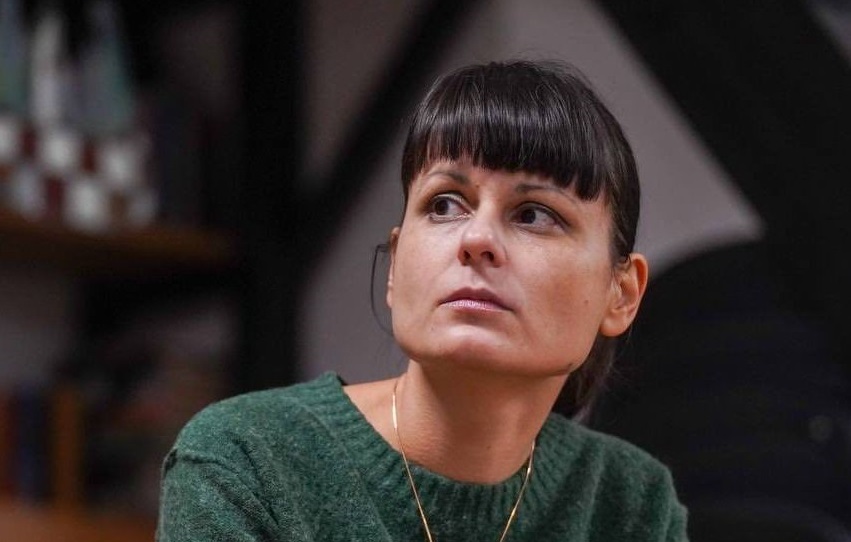
One of my observations during the workshops is that the war has definitely transformed Ukrainian society. Seeing and hearing the suffering of the war firsthand from living witnesses was intense enough to deeply affect every person. Despite all the savagery experienced in the war, seeing the Ukrainian people standing strong and tall keeps our hopes alive. Watching the images of the genocide on Yabluskaya Street in Bucha in the early days of the war, as well as hearing that Ukrainian heroes, especially the journalists who reported on it, made us face the full reality of the war. In addition, the traumas experienced by all Ukrainians on an individual level as well as the collective traumas experienced on a mass scale can be observed. These traumas will affect the formation of Ukrainian society after the war. In this context, both nations, the Ukrainians and the Crimean Tatars, should record their genocidal experiences since the occupation of Crimea in 2014. One of our main goals in this workshop is to record the victims’ narratives for the evidence needed during the trials of Russian war criminals in Ukrainian courts as well as in international courts. The oral history accounts of Holocaust survivors were the most important evidence for Nazi Germany’s war crimes before and during World War II. They were used during the trials of World War II criminals, especially for the Holocaust. The history of the city where the workshop was held is also very interesting, especially after the World War II period. Wroclaw has actually been a German city for centuries. Its German name is Breslau. Hitler gave a strict order that this city, known as the Breslau Fortress in World War II, should not have been surrendered to the Soviet army. For this reason, the city, which was almost completely undamaged during World War II, was 75 percent destroyed in the last few months of the war. At the Potsdam Conference, where the post-World War II order was decided, Stalin drew the current German-Polish border with a crayon. He changed the fate of the Germans living in this city. Approximately 3 million Germans were forcibly deported. Breslau, the capital of Lower Silesia, and many other German cities were given to Poland. The total number of Germans who emigrated is approaching 9 million. In the places vacated by the Germans, Poles were settled from the lands given to Ukraine, especially Lviv in eastern Poland, by Stalin. Although people’s identities change, the stories are the same in all wars, the pain is the same, the tears are the same… In addition, the strength of people after the war, their getting back on their feet, their resilience, their re-existence are the same… It is very sad that Eastern Europe has been living the same experience as in the past during the Stalin time. This time, the new Stalin is Putin. The human beings in this part of the world have been living the same experience even in the 21st century. However, I believe peace and justice will follow the war. The Russian genocide in Ukraine will be investigated and go to the Ukrainian and international courts. The war criminals will be judged and get the appropriate sentences. In the workshop, almost all participants were women. The war has shown us the strengths of the Ukrainian women. They are also heroes of this war…


 Weltschau
Leave a comment