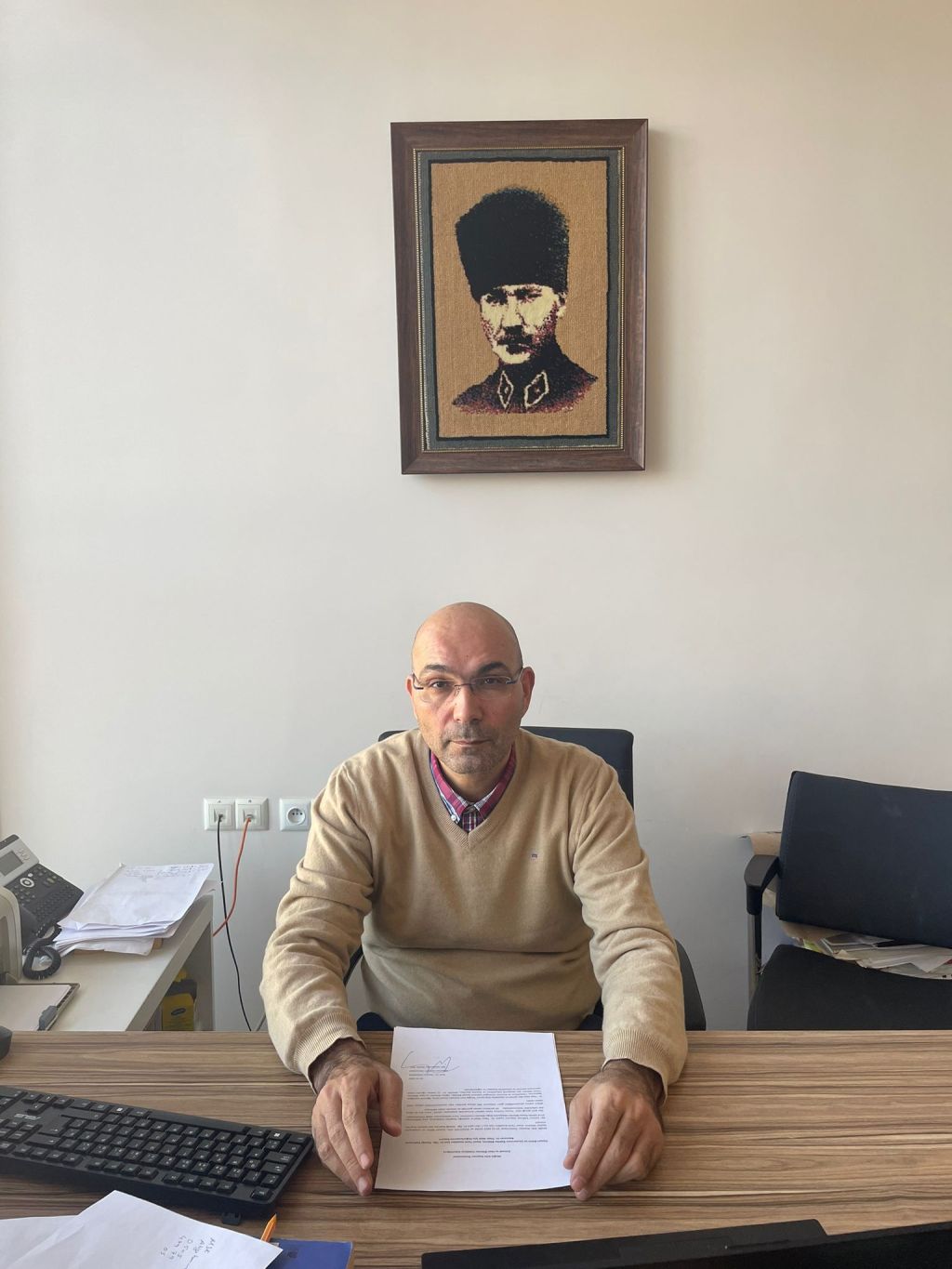
“This situation involves interference with a country’s internal affairs, as we explain to university students. We say that these things cannot occur when teaching international law courses, but ‘might is right in life’ serves as the foundation for practice. In fact, we might be imparting knowledge that is not applicable in the actual world… Based on principles of international law, this is an unjust invasion” (Karar Newspaper, Önder, 2022). With his remarks, Prof. Dr. Timuçin Kodaman offers a critique of idealism in the field of international affairs by examining Russia’s invasion of Ukraine. The Russian occupation persists unabated, resulting in an ongoing loss of lives. High Representative for Foreign Affairs and Security Policy J. Borrell’s most recent utterances, “…we do not see the light at the end of the tunnel” (EU External Action, 2024), align with this gloomy portrayal as well. In addition to Borell’s words, Kodaman, who penned “The Relationship between Intelligence and Foreign Policy” with H. M. Önder and “Power in International Relations: Hard and Soft Power” with A. Hacıbektaşoğlu, evaluated President V. Zelensky’s dual citizenship bill and the effectiveness of the sanctions put on Moscow.
ÖZELGÜN: How do you assess the remarks made by Borell?
KODAMAN: As you mentioned in your question, Borrell admitted on 29.01.2024 that the sanctions announced by the Union failed to destroy the Russian defense industry and said, “Now the EU sees no light at the end of the tunnel in Ukraine”. Also in May 2023, Borrel stated that there is no time for peace talks in Ukraine and that he now feels like the EU’s Defense Minister. These and similar statements by Borrell indicate that the Union will continue to act together with the transatlantic community, Canada, the UK, and the US, and that peace negotiations will not take place. At the beginning of the Ukraine War, the idea that there could be cracks within the EU due to energy dependence has been shown to the international community to be invalid over time. As long as the struggle between the West and China-Russia continues, Ukraine will continue with human casualties and the EU and the US with financial losses. Even if there are objections within the EU, as in the case of Hungary, it is understood that the struggle with the US will continue with the threat posed by Russia.
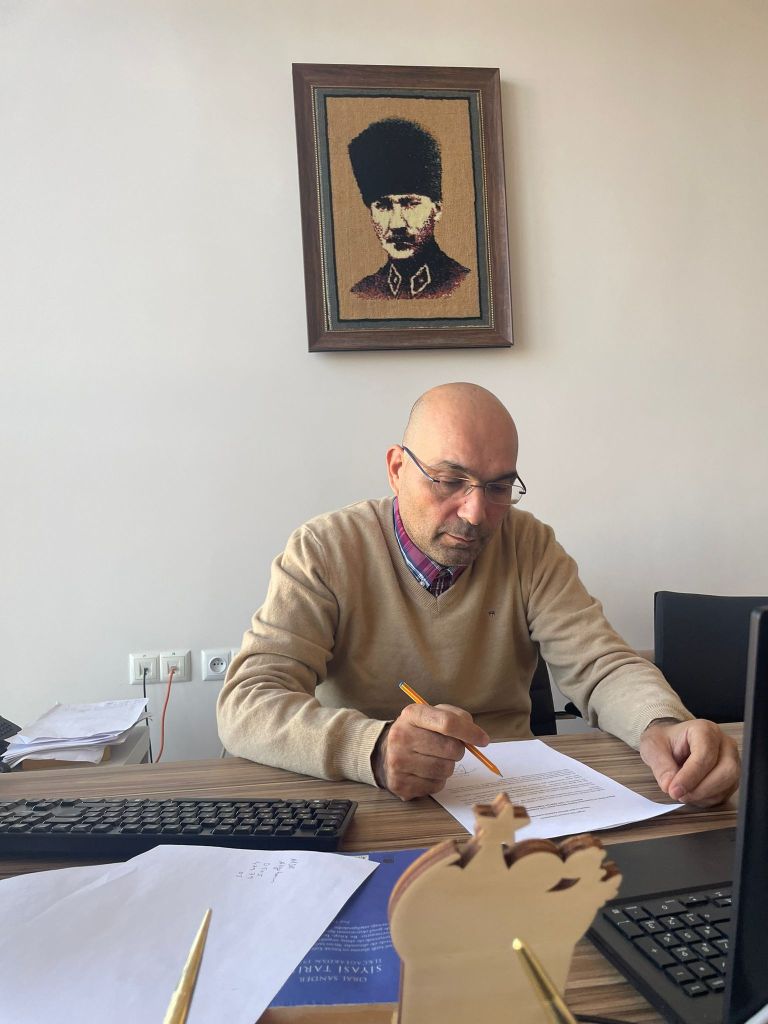
ÖZELGÜN: What is your assessment of the effectiveness of the sanctions put on Russia?
KODAMAN: In international relations, sanctions are an effective tool used to encourage target countries to abandon certain policies. Sanctions, which were initiated in response to Russia’s annexation of Crimea and the war it launched by claiming rights over Ukrainian territory, continue to be implemented by many countries. To date, international sanctions against Russia have not had the effect of changing Russian policies. The consequences of these sanctions, such as international trade contractions, negative effects on the energy sector, and the search for alternative trade routes, reveal the consequences of sanctions. This means that the sanctions affect not only Russia but also the entire international community. For this reason, it is obvious that differences of opinion have emerged among different countries. The longer the sanctions last, the more likely it is that divergent opinions in the international community will sharpen.
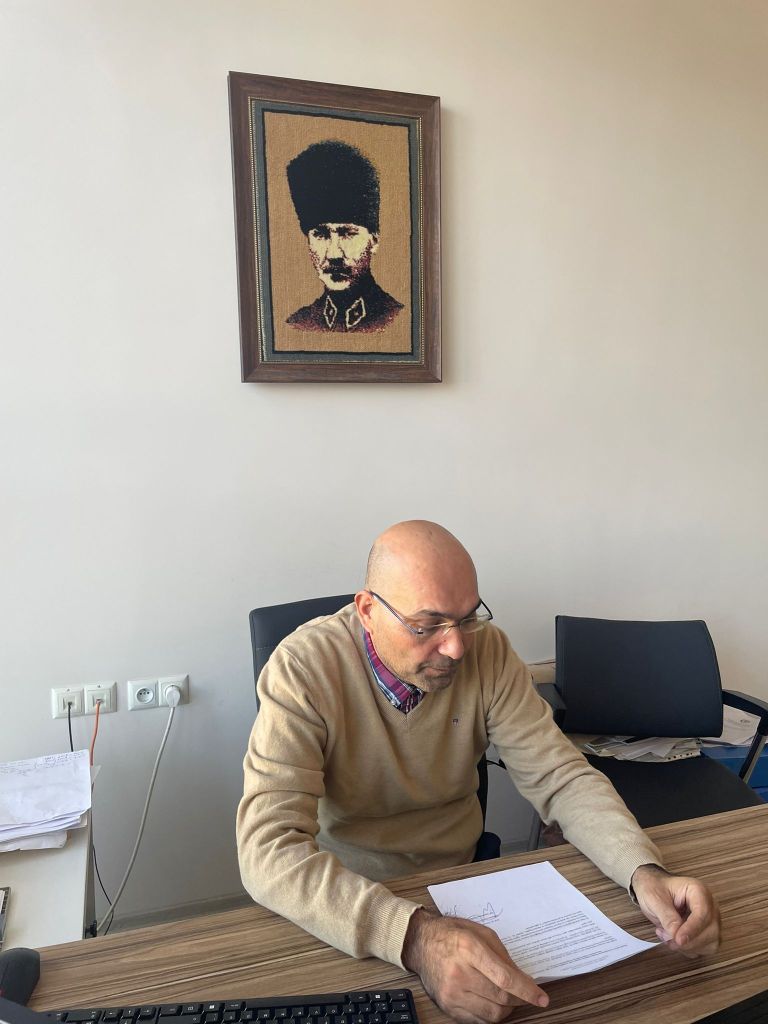
ÖZELGÜN: According to the BBC, PM R. Sunak vowed that Ukraine “will never be alone”. To what extent could the security agreement between the UK and Ukraine influence the course of the war?
KODAMAN: On January 12, 2024, British Prime Minister Sunak announced new military funding for Ukraine during a visit to Kyiv, saying that the package, worth $3.2 billion for the next fiscal year, is the largest UK support for Ukraine since the start of the war. Britain was one of the first countries to react to the start of the invasion of Ukraine. It said that Putin had brought war to the European continent. At the beginning of the war, Prime Minister B. Johnson said that sanctions would destroy the Russian economy and end dependence on Russian oil and gas. He used the term “Russian dictator” to refer to Putin and said that this attack was not only against Ukraine but also against democracy and freedom. After Johnson, L. Truss and then Sunak took over as prime minister. Under Sunak, the securitization foreign policy against Russia continued. The latest agreement shows that Britain’s policies against the Putin regime have not changed since the beginning of the war. While the war in Ukraine seems to continue from Russia’s point of view, we can say that the course of events depends on whether the policies of the West will continue or not.
ÖZELGÜN: How would you assess the dual citizenship legislation that Ukrainian President V. Zelensky presented to the parliament?
KODAMAN: Zelensky submitted to the Verkhovna Rada, the Ukrainian Parliament, a draft law on multiple citizenship for descendants of Ukrainians who emigrated from the country in different years and foreign volunteers at the end of January 2024. According to the Ukrainian president, with the adoption of this bill, Ukrainian citizenship will be provided to all those who, in different years, “were forced to leave their native land and eventually went to Europe, the US, Canada, Asian countries, and Latin America.” Zelensky also said that foreign volunteers defending Ukraine would receive Ukrainian citizenship. This bill is a consequence of the humanitarian bill for the loss of power that a war of attrition has cost Ukraine and illustrates the humanitarian resource crunch. It is an important proposal for Ukraine, which is in need of new human resources to fight in the face of the West’s prediction that it will not engage in a hot war and will continue with financial and military aid.
ÖZELGÜN: What precise and practical effects may a prospective Republican election victory in the US have on the existing American military strategy in the context of the war?
KODAMAN: Your question about the likelihood of Trump and the Republicans coming to power in the US is, of course, speculative. Trump’s statements last year that Russia would not have invaded Ukraine if it were me and that if I came in, I could end the war are personal opinions. I think the question is whether the US strategy can be reversed immediately with a change of president. But presumably Trump will try to get a chance to talk to Putin. If the policy continues as it is, he may also want to impose more financial burdens on other countries. Such a demand could cause ruptures in the Western world.
References
https://www.bbc.com/news/uk-67954152
https://www.karar.com/gorusler/abdnin-stratejisi-rusyada-putine-destegi-kirmak-1657205



Leave a Reply