War has become part of our lives, eating away at them every moment, like a vile worm, taking tiny bites: from the outside, we are like fruit swollen with juice and strength; inside, we are already eaten away, and we never know when we will fall apart, or whether we will survive at all.
A morning in Odesa, a city on the Black Sea coast — the only city in Ukraine with a functioning seaport, because the other coastal cities on the Black and Azov Seas have already been seized by Russian occupiers. Summer. Heat. My favourite time of year.
The markets are full of ripe, enormous watermelons, fragrant melons, sweet peaches, peppers and aubergines, which in Odesa we affectionately call “little blues” because of their colour. They seem to be asking to be thrown into a frying pan or an oven. On the sandy beaches, there is barely room to put your foot down — thousands of tourists from all over Ukraine are resting, sunbathing and swimming in the cool waves.
Every day and every night, deadly drones packed with explosives and all kinds of missiles — cruise, ballistic and air-launched — fly from the sea towards the city and the people on holiday here. Locals can tell them apart by their sound. With some drones, you still have a chance to run for cover. With the jet-powered drones that the Russians began launching by the dozens several weeks ago, you don’t. The same goes for missiles.
There are shelters on the beaches, but hardly anyone goes to them. A month and a half ago, a fragment of one of the drones killed a young woman on the beach — a girl who had left a small town in the occupied south and moved to the Ukrainian capital, but came to Odesa for a holiday. Tourists shrug their shoulders: if you hide in a shelter every time there is an attack, your whole holiday will be ruined. So they take the risk and enjoy their time off, filming on their phones the aerial battles between Ukraine’s air-defence forces and the enemy’s missiles and drones.
Today was another sleepless night. For many hours, the Russians kept hitting our city with missiles and drones. Buildings shook with the explosions. Shards of broken glass jingled like scattered little bells. Agitated car alarms wailed. Frightened dogs barked. Lights in the windows flickered on and off in alarm — until they went out completely, and the city was almost entirely swallowed by darkness.
The Russians deliberately targeted major substations, trying to destroy our electricity and water supply.
Towards morning, the attack finally ended, and we managed to sleep for a little while. Sleeping late is rarely possible. On weekdays, there is work — because in Ukraine nobody simply stops working or shifts their working hours because of an attack. And on weekends, there are countless other things to do.
There is no water in the tap. There is no electricity either. Mobile service is almost completely gone. But since 2022, we have kept several power banks at home, so even during a blackout we can usually keep the internet for another day or two. This saves more than just our work. It also protects our mental health, because during a war it is impossible to go even an hour without the news, without knowing what is happening and whether the people you love are alive and safe.
In the morning, we take the dog for a walk. War is war, but a dog’s schedule must remain strict and predictable.
The rubbish has already been cleared from the streets. Street cleaners are quietly sweeping the pavements. My neighbourhood was lucky this time — none of the buildings here were hit. In other parts of the city, residential buildings were struck, and people and pets were injured. Fortunately, no one was killed today. But we don’t know whether it will be the same tomorrow.
Breakfast is simple. We always keep a supply of utility water in large bottles, which stand right in the tiny kitchen of our one-bedroom apartment. But it has to be saved, so it is better not to dirty too many dishes.
We have sandwiches and fragrant tomatoes, and make coffee in a copper cezve, which rather elegantly replaces our electric coffee machine on days like these.
Then come the ordinary weekend chores, made much harder by the lack of water: a bit of cleaning with wet wipes, a trip to the summer market, cooking a simple lunch, and the constant sound of air-raid sirens. The shelling continues during the day, too, although today, after one of the heaviest attacks of the entire war, there is a little less of it.
In the afternoon, I get ready to go to an important event. Today, my sister is presenting her collection of designer swimwear as part of Odessa Fashion Day.
The event is taking place in the Odesa Botanical Garden — one of the most beautiful places in the city, home to rare and ancient trees and shrubs, some of them perhaps a hundred years old or even more. Its greenhouses have been damaged more than once by fragments of missiles and drones, but each time they have been restored by students and teachers of the university that owns the garden.
Here, among rose bushes and geraniums, women and men walk the makeshift catwalk in bright, stylish clothes. The audience watches from beneath umbrellas, trying to escape the heat and sipping cold cocktails. Photographers are at work. Music is playing. The young models smile politely and walk confidently along the paths of the botanical garden, which serve as the runway today.
For a second, you can almost believe that you are living your beautiful life in some kind of paradise: greenery, flowers, beautiful people, music…
Then an unpleasant roar overhead pulls you out of the dream.
Everyone except the models — who do not even raise an eyebrow and simply continue walking — looks up at the sky, staring tensely.
“A plane or a jet-powered drone?” guests quietly ask one another.
They try to find information in the various alert channels, of which each of us has dozens. In the end, we never quite figure out what was flying overhead, because sometimes the sounds are simply too similar. So everyone turns their attention back to the runway.
In the evening, we sit on the balcony, drink cold mint tea and look at the dark buildings.
Somewhere, right now, despite the deadly risks, energy workers are repairing substations. The Russians regularly strike during repair work, trying to prevent them from doing their jobs and killing valuable specialists.
Somewhere, our aircraft is flying, trying to shoot down a drone.
We keep our fingers crossed for all of them. And for all of us.
War is made up of simple things that can only be understood by someone who has been inside a war. Literally inside it. Because from the inside, war is nothing like what you see from the outside — in films or in the news. And it is not even quite like it is in this text.
It is much worse.
It is not energetic or optimistic. It is ordinary, and terrifying precisely because it is ordinary.
Because from the outside, you are like a ripe peach or a juicy watermelon. But inside, there is almost nothing left of you. You are exhausted, drained, and holding on only to your faith in your country and its people.
Because there is no one else to hold on to.
In a month, our city will host a literary festival. If I am still alive, my new book, They Chose Ukraine, will be presented there. It is about young people whom the Russians forcibly took from occupied Ukrainian territories when they were still children, or whose parents were not allowed to leave the occupied territories, trapping thousands of young people there.
At least 1.6 million Ukrainian children are currently living under occupation. Thousands have been deported to Russia, and thousands more have become rooted in the occupied territories over the years since 2014.
I wrote a book about those who managed to escape the trap.
Young women and men tell their own stories of how they did it and why, when they had the opportunity to choose any country on Earth, they chose Ukraine.
At the end of July, the Russians destroyed the publishing house where this book was supposed to be published. This year alone, their missile strikes have burned around 8 million copies of books, including school textbooks.
But we keep working.
And if we survive, we will make it happen.
These days, the phrase “if we survive” appears in our conversations so often.
Far too often.
More often than anyone on Earth should ever have to say it.
Якщо ми доживемо
Війна стала частиною нашого життя, які підточує його щомиті, ніби мерзенний хробак, надкушуючи шматочками: ззовні ми – як плоди, налиті соком і силою, всередині – поїдені хробаччям, і ми ніколи не знаємо, коли розсиплемося і чи зможемо вціліти.
Ранок в Одесі, міста на березі Чорного моря – єдиного в Україні з робочим портом, адже інші приморські міста – біля Чорного та Азовського – вже загарбані російськими окупантами. Літо, спека. Моя улюблена пора року. На базарах продаються стиглі, величезні кавуни, пахучі дині, солодкі персики, перець і баклажани, які в Одесі лагідно називають “синенькі”, що так і просяться на сковорідку чи в піч. На піщаних пляжах ніде яблуку впасти – тисячі туристів з усієї України відпочивають, засмагають і купаються в прохолодних хвилях. Щодня і щоночі з моря на місто і на відпочивальників летять вбивчі дрони з вибухівкою та всі типи ракет – крилаті, балістичні, керовані авіаційні. Місцеві розрізняють їх за звучанням: від цього дрону є шанс утекти, а від реактивного, яких десятками почали запускати кілька тижнів тому, – ні. Як і від ракет. На пляжах є укриття, але туди майже ніхто не ходить, хоча півтора місяці тому уламок одного з дронів убив відпочивальницю – молоду дівчину, яка виїхала з окупованого південного містечка та переїхала жити до української столиці, а в Одесу приїхала відпочити. Туристи знизують плечима: якщо ховатися в укриття щоразу, коли йде атака, то вся відпустка буде зіпсована, тож ризикують і насолоджуються відпочинком, знімаючи на телефони повітряні бої, які веде українська система протиповітряної оборони та ракетно-дронове військо ворога.
Сьогодні була чергова безсонна ніч: багато годин поспіль росіяни били по нашому місту ракетами і дронами: від вибухів здригалися будинки, дзижчали розсипом дзвіночків уламки віконного скла, вили розтривожені автомобільні сигналізації, гавкали налякані собаки й сполохано вмикалося та вимикалося світло у вікнах. Поки не погасло зовсім, і місто майже повністю поглинула темрява. Росіяни прицільно били по крупним підстанціям, намагаючись знищити електро- і водопостачання. Під ранок атака нарешті скінчилася, і ми трохи подрімали. Допізна виспатися рідко вдається: в будні дні – робота, адже в Україні ніхто не припиняє працювати і не переносить робочий час, а у вихідні – купа інших справ. У крані немає води, світла – теж, мобільний звʼязок практично відсутній, однак у нас вдома ще з 2022 року є кілька акумуляторів, завдяки яким навіть під час блекауту ми маємо інтернет ще день-два. Це рятує не лише робочі процеси, а й ментальне здоровʼя, бо витримати бодай годину без новин під час бойових дій та інформації, чи живі й здорові твої близькі, – нереально. Зранку ми гуляємо з собакою – війна війною, а собачий графік має бути суворим і чітким. Сміття на вулицях вже прибрано, двірники зосереджено підмітають тротуари. Моєму району цього разу пощастило – в будинки немає влучань, однак в інших частинах міста є влучання у житлові будинки, поранені люди і домашні тварини. На щастя, сьогодні ніхто не загинув, але ми не знаємо, чи буде так і завтра.
Сніданок простий: ми завжди маємо запаси технічної води у великих пляшках, які стоять просто на маленькій кухні нашої однокімнатної квартири, однак її варто економити, тому краще поменше бруднити посуд. Снідаємо бутербродами, запашними помідорами й заварюємо каву в мідній джезві, яка вельми вишукано заміняє в такі дні електричну кавомашину. Далі – буденні справи вихідного дня, які сильно ускладнюються через відсутність води: сяке-таке прибирання вологими серветками, похід на літній базар, приготування простого обіду і постійні сирени повітряних тривог: обстріли тривають і вдень, хоча сьогодні, після одного з наймасованіших ударів за всю війну, їх трохи менше. По обіді я збираюся їхати на важливий захід: сьогодні у моєї сестри буде показ колекції дизайнерських купальних костюмів в межах фестивалю моди Odessa Fashion Day. Подія відбувається в одеському ботанічному саду – одному з найкрасивіших місць, де ростуть старовинні й рідкісні дерева й кущі, найстаршим з яких може бути під сто років чи навіть більше. оо оранжереї були вже не раз пошкоджені уламками ракет і дронів, однак щоразу відновлювалися силами студентів і викладачів університету, якому належить сад. Тут, поміж кущами троянд і гераней, дефілюють жінки й чоловіки у яскравому стильному одязі: глядачі спостерігають за дійством, ховаючись від спеки під парасолями і попиваючи прохолодні коктейлі. Працюють фотографи, лунає музика, дівчата і хлопці-моделі привітно посміхаються і правно крокують доріжками ботанічного саду, які замінюють собою подіум цього разу. На секунду здається, що ти живеш своє прекрасне життя у якій райській місцині: зелень, квіти, красиві люди, музика… Неприємне ревіння над головою примушує вирватися з цих мрій. Всі, крім моделей, які й бровами не ведуть, продовжуючи дефіле, забирають голови до неба, напружено вдивляючись. “Літак чи реактивний дрон?” – тихо перепитують гості один в одного. Намагаються знайти інформацію у різних каналах сповіщення, яких у кожного з нас – десятки. Так до пуття і не зрозумівши, що саме летіло , бо звуки іноді бувають надто схожими, всі перемикають увагу на подіум.
Увечері ми сидимо на балконі, пʼємо холодний чай з мʼятою і дивимося на темні будинки. Десь просто зараз, попри смертельні ризики, на підстанціях працюють енергетики. Росіяни регулярно завдають ударів під час ремонтних робіт, намагаючись завадити працювати та вбиваючи цінних фахівців. Десь літає наш літак, намагаючись збити дрон. Ми тримаємо кулачки за них усіх. І за всіх нас. Війна складається з простих речей, які може зрозуміти лише той, хто був у війні. Буквально всередині. Бо всередині вона зовсім не така, як зовні у кіно чи новинах. І навіть не така, як у цьому тексті. Вона набагато гірша, вона не бадьора і не оптимістична, вона буденна і надзвичайно страшна саме своєю буденністю. Бо зовні ти – як стиглий персик чи соковитий кавун, а всередині тебе вже немає, бо ти втомлений, знесилений і тримаєшся лише за віру в свою країну і її людей. Бо більше нема в кого.
За місяць у нашому місті буде літературний фестиваль. Якщо доживу, там буде презентація моєї нової книги “Вони обрали Україну” про молодих людей, яких ще малими дітьми росіяни насильно вивезли з окупованих українських територій або ж не дозволили їхнім батькам виїхати з окупації, замкнувши пастку за тисячами молодих людей. Нині в окупації перебувають щонайменше 1,6 млн українських дітей, тисячі були депортовані до росії, а ще тисячі встигли врости за роки окупації з 2014 року. Я написала книжку про тих, хто зміг вирватися з пастки. Молоді дівчата й хлопці самі розказують, як вони це зробили і чому, коли мали можливість обрати будь-яку країну на планеті, обрали Україну. Наприкінці липня росіяни знищили видавництво, де мала вийти ця книжка, спаливши ракетами лише цього року близько 8 млн примірників книжок, зокрема шкільних підручників. Але ми все одно працюємо. І, якщо доживемо, то зробимо. Нині фраза “якщо доживемо” так часто
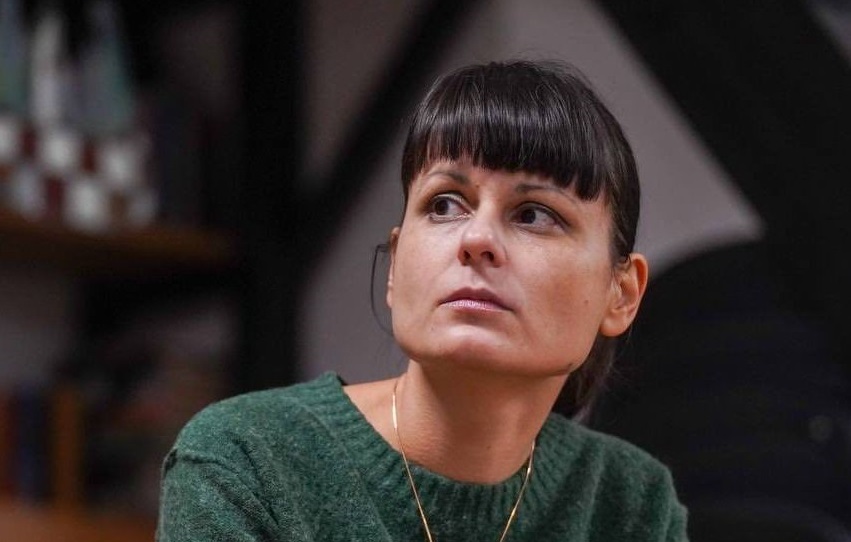
Photo Credit: Natalia Dovbysh
 Weltschau
Leave a comment